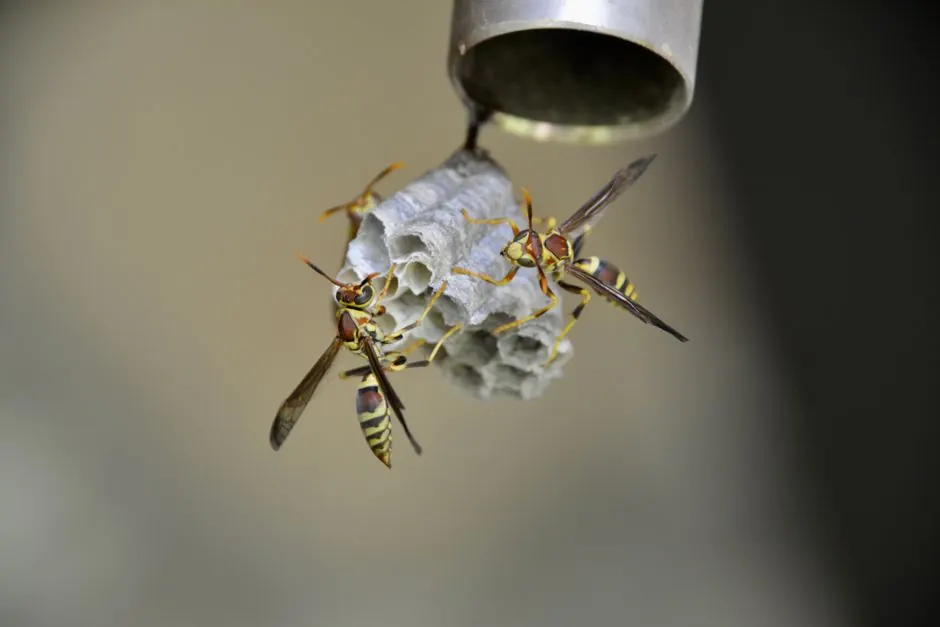
Yellow jacket nests in Ohio can become a significant problem in late summer as these wasps become more aggressive. Proper removal is crucial to avoid painful stings and ensure safety for you and your family. This guide will help you identify yellow jacket nests, understand the risks, and provide steps for safe removal.
Yellow jacket nests are structures built by social wasps that can pose risks to humans and pets. Typically, these nests are found in the ground or in wall cavities, especially during late summer when the population peaks.
Understanding Yellow Jackets
Yellow jackets are a type of social wasp known for their distinctive black and yellow markings. In Ohio, they are often mistaken for bees but are more aggressive and can sting multiple times. Understanding their behavior and habitat is essential for effective removal.
Identifying Yellow Jacket Nests
Identifying yellow jacket nests is the first step in managing them. Look for nests in sheltered areas like under eaves, in shrubs, or underground. The nests are usually made of paper-like material and can be as large as a basketball, especially late in the season.
Dangers of Yellow Jackets
Yellow jackets can be highly aggressive, especially when their nests are disturbed. Their stings can cause allergic reactions in some individuals, leading to serious health issues. It's crucial to approach any nest with caution. In Ohio, many homeowners experience increased wasp activity during late summer, making it essential to address any nests promptly.
How to Remove Yellow Jacket Nests
Removing yellow jacket nests should be done carefully to avoid stings. Here are steps to follow for safe removal:
- Choose the right time: Early morning or late evening is best when yellow jackets are less active.
- Wear protective clothing: Long sleeves, pants, gloves, and a face mask can help protect against stings.
- Use a commercial wasp spray: Target the nest from a safe distance, following the product instructions closely.
- Wait and observe: After spraying, wait a few hours to ensure all wasps have left the nest.
- Remove the nest: Once you are sure the nest is inactive, carefully remove it and dispose of it.
If you find the task overwhelming or if the nest is large, consider contacting a professional for wasp nest removal in Ohio.
Common Mistakes in Nest Removal
Many homeowners make mistakes when attempting to remove yellow jacket nests. Common errors include:
- Attempting to remove nests during the day when wasps are most active.
- Not wearing protective clothing, increasing the risk of stings.
- Using ineffective sprays or methods that do not eliminate the problem.
Taking these precautions seriously can prevent painful encounters and ensure a more effective removal process.
When to Call a Professional
Knowing when to call a professional is crucial for safety. If the nest is large, located in a hard-to-reach area, or if you are allergic to stings, contact experts like WoodGuard Pest. Professionals can handle the situation safely and effectively, providing peace of mind.
Frequently Asked Questions
How can I tell if I have a yellow jacket nest? Look for wasp activity around your property, particularly near hidden areas like eaves or underground.
What time of year do yellow jackets become aggressive? Yellow jackets typically become more aggressive in late summer as their population peaks.
Can I remove a yellow jacket nest myself? Yes, but it requires caution and protective gear. If unsure, hiring a professional is safer.
What should I do if I get stung? If stung, remove the stinger, clean the area, and apply ice. Seek medical help if you experience severe reactions.
How much does professional removal cost? Cost depends on the size of the property, how far the infestation has spread and the treatment the job needs, so it is quoted after an inspection rather than off a list. Call (330) 778-8801 and we will arrange one.