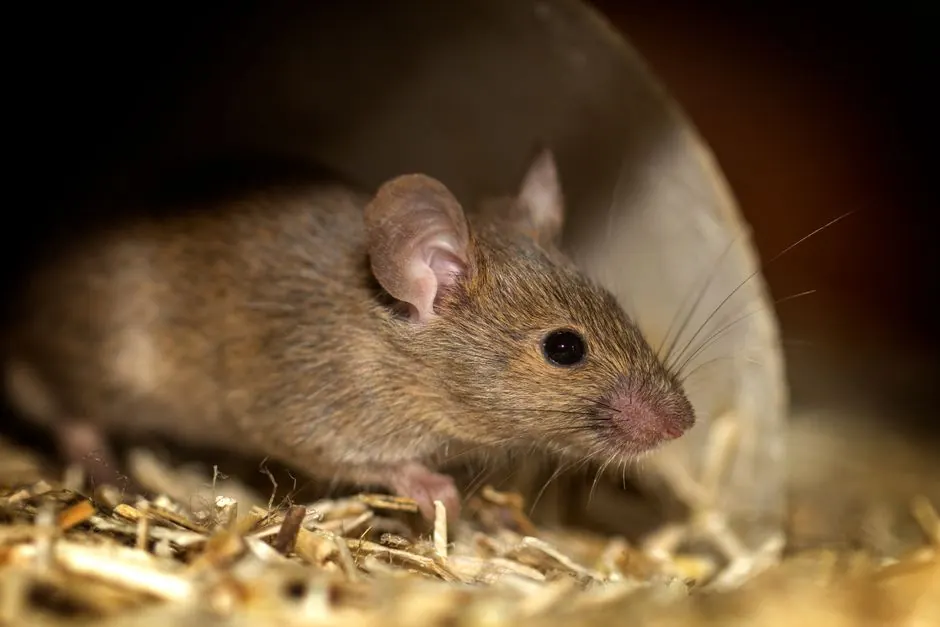
Mice invade Ohio homes every fall primarily in search of warmth, food, and shelter. These rodents are not just a nuisance; they can cause significant damage and pose health risks. Understanding why they enter your home and how to prevent it is crucial for homeowners in Ohio.
Mouse control is essential for maintaining a healthy and safe living environment. In this article, we will explore the reasons behind mouse infestations in Ohio homes, common entry points, prevention methods, and what to do if you encounter a mouse problem.
Why Do Mice Enter Homes in Ohio?
Mice enter homes in Ohio primarily during the fall months as temperatures drop. They seek shelter from the cold and look for food sources, often finding both in residential areas. The combination of colder weather and the availability of food makes homes an attractive option for these pests.
Common Entry Points for Mice
Understanding where mice typically enter your home can significantly help in preventing infestations. Common entry points include:
- Cracks and gaps in foundations
- Holes around utility lines and pipes
- Unsealed doors and windows
- Vents and chimneys without proper covers
In Ohio, older homes, especially those in areas like Barberton and Zanesville, may have more vulnerabilities due to aging structures. Regular inspections can help identify these weak spots before they become a problem.
How to Prevent Mice from Entering Your Home
Preventing mice from invading your home involves a combination of sealing entry points and maintaining cleanliness. Here are effective strategies:
- Seal Entry Points: Use caulk or steel wool to close gaps and cracks in your home's exterior.
- Store Food Properly: Keep food in airtight containers and clean up spills immediately.
- Maintain Your Yard: Trim back shrubs and keep grass cut short to reduce hiding places.
- Use Traps: Set traps in areas where you suspect mouse activity for early detection.
Implementing these measures can significantly reduce the chances of a mouse infestation. If you suspect a problem, consider contacting WoodGuard Pest for professional mouse and rat control.
What to Do if You Have a Mouse Problem
If you discover mice in your home, it's essential to act quickly to minimize damage and health risks. Steps to take include:
- Identify and seal entry points to prevent further access.
- Set traps to capture existing mice.
- Remove food sources and clean nesting areas.
For persistent infestations, it may be necessary to seek professional help. WoodGuard Pest offers comprehensive mouse and rat control services tailored to your needs.
Common Mistakes to Avoid
Homeowners often make several mistakes that can exacerbate mouse problems:
- Ignoring small holes, thinking they are insignificant.
- Using ineffective traps without proper placement.
- Failing to maintain cleanliness in kitchens and dining areas.
A proactive approach to mouse prevention is more effective than reactive measures. Regularly inspect your home and address any potential issues promptly.
When to Call a Professional
It may be time to call a professional when:
- You notice signs of a significant infestation.
- Homemade traps and baits are ineffective.
- You are unsure about how to safely remove mice.
WoodGuard Pest is equipped to handle mouse problems effectively, ensuring your home remains safe and pest-free.
Frequently Asked Questions
1. How do I know if I have a mouse problem? Signs include droppings, gnaw marks, and noises in walls or ceilings.
2. Can mice cause health problems? Yes, mice can carry diseases and contaminate food sources, posing health risks to humans.
3. What is the average cost of mouse control in Ohio?Cost depends on the size of the property, how far the infestation has spread and the treatment the job needs, so it is quoted after an inspection rather than off a list.
4. How long does it take to eliminate mice from my home? Complete removal can take from a few days to several weeks, depending on the infestation size.
5. Can I prevent mice without traps? Yes, sealing entry points and maintaining cleanliness are key preventive measures.