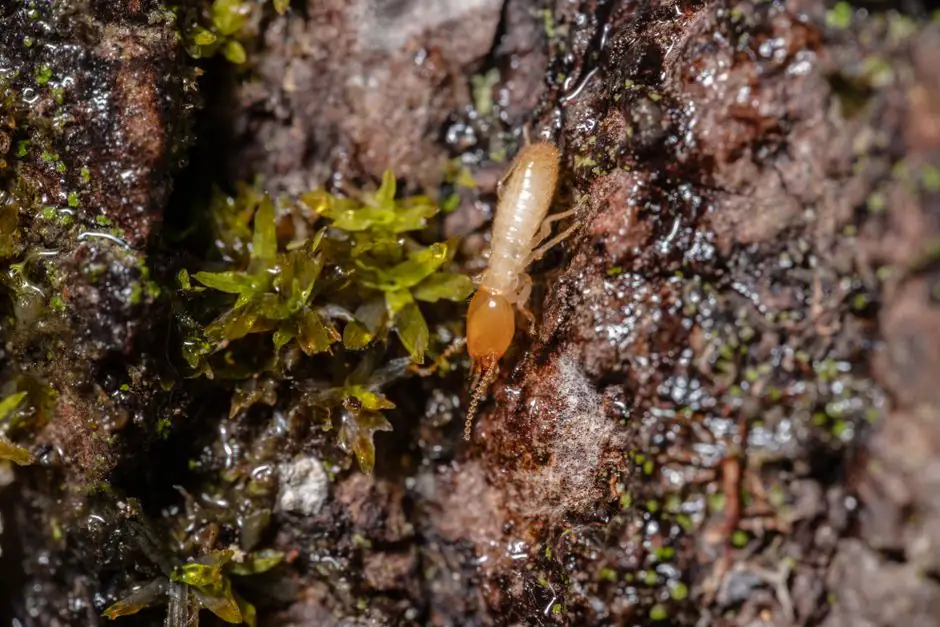
Termites typically swarm in Ohio from March to May, coinciding with warmer temperatures and increased humidity. Understanding this timeframe is crucial for homeowners to protect their properties from potential infestations. This article will delve into termite behavior, signs of infestation, and preventive measures you can take to safeguard your home.
Termite swarming is a natural part of their reproductive process, where winged termites leave their colonies to mate and establish new colonies. Swarming usually occurs during warm, humid days following a rainfall, making the spring months particularly active for these pests.
When Do Termites Swarm in Ohio?
In Ohio, the swarming season for termites generally begins in late March and can extend through May. During this period, the conditions become favorable for termites to leave their colonies. The average temperature during this time ranges from 60°F to 80°F, which is ideal for their activity. Homeowners should be vigilant during these months, as swarms can lead to new infestations if not managed promptly.
Understanding Termite Swarming Behavior
Termite swarming behavior is primarily driven by environmental factors such as temperature and humidity. After a rainstorm, the air becomes humid, prompting winged termites to take flight. This behavior is not random; it is a strategic move to find mates and establish new colonies in suitable locations. In Ohio, the most common species that swarm include the Eastern Subterranean Termite and the Formosan Termite.
Signs of a Termite Infestation
Homeowners should be aware of several signs indicating a potential termite infestation:
- Swarmers: Seeing winged termites indoors or around your home is a clear sign of an infestation.
- Frass: Termite droppings, or frass, resemble small wood pellets and can often be found near infested areas.
- Damaged Wood: Hollow-sounding wood or wood that appears to be damaged or crumbling may indicate termite activity.
- Mud Tubes: Subterranean termites build mud tubes for protection, often found on basement walls or foundations.
If you notice any of these signs, it is crucial to take immediate action. Consider contacting a professional for termite inspection in Ohio to assess the situation and recommend appropriate treatments.
How Weather Affects Termite Swarming
The weather plays a significant role in termite swarming patterns. Warm temperatures coupled with high humidity create the perfect environment for swarming. In Ohio, this typically occurs after spring rain showers, which raise humidity levels and encourage termites to emerge. Homeowners should monitor weather forecasts during this time and remain vigilant for signs of swarming.
What to Do If You See Termites
If you observe a termite swarm inside or near your home, it is essential to act quickly. Here are the steps you should take:
- Identify the source: Look for mud tubes, damaged wood, or frass to locate the infestation.
- Contact a professional: Reach out to termite treatment in Ohio to evaluate and address the issue.
- Prevent future infestations: Regular inspections and treatments can help prevent future issues.
Common Mistakes to Avoid
Many homeowners make mistakes that can exacerbate termite issues. Here are some common pitfalls:
- Ignoring signs: Failing to act upon noticing signs of termites can lead to extensive damage.
- DIY treatments: Attempting to handle termite infestations without professional help can be ineffective and dangerous.
- Neglecting prevention: Regular maintenance and inspections are crucial in preventing infestations.
When to Call a Professional
Calling a professional pest control service is essential when you suspect a termite infestation. WoodGuard Pest offers expert Carpenter Ant Extermination in Ohio and can help you identify and treat termite problems effectively. Professional services not only provide immediate solutions but also help in preventing future infestations.
Frequently Asked Questions
1. What time of year do termites swarm in Ohio?
Termites typically swarm in Ohio from late March to May, coinciding with warmer, humid weather.
2. How can I tell if I have a termite problem?
Signs include seeing swarmers, finding frass, and noticing damaged wood or mud tubes.
3. Should I treat termites myself?
DIY treatments are often ineffective; it's best to contact a professional for effective solutions.
4. What does termite treatment in Ohio cost?
Cost depends on the size of the property, how far the infestation has spread and the treatment the job needs, so it is quoted after an inspection rather than off a list.
5. Can I prevent termites?
Yes, regular inspections, moisture control, and proper landscaping can help prevent termite infestations.