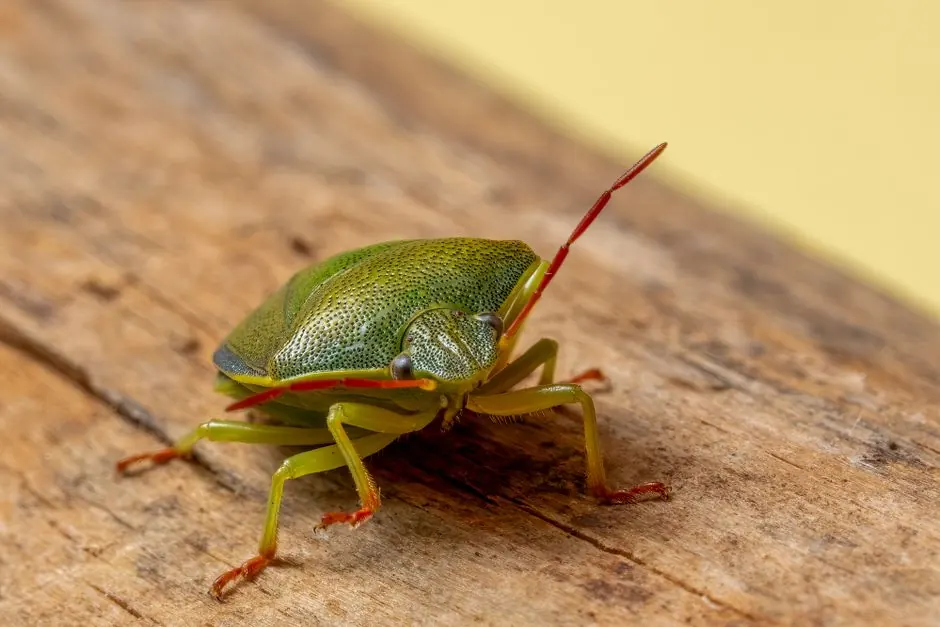
Stink bugs invade Ohio homes each autumn as they seek warmth and shelter from the cold. Understanding their behavior can help you manage these pests effectively.
Stink bugs are a type of pest that becomes particularly troublesome during the fall months. As temperatures drop, these insects look for places to hide, often finding their way into homes. In Ohio, this seasonal migration is a common issue for homeowners.
Why Do Stink Bugs Enter Ohio Homes?
Stink bugs enter Ohio homes primarily for warmth and shelter during the colder months. As the weather cools in late September and October, they search for cozy spots to survive the winter. This behavior is not unique to Ohio; it's a pattern seen across many states with similar climates.
Understanding Stink Bugs
Stink bugs are small, shield-shaped insects that are typically brown or green. They are known for the unpleasant odor they emit when threatened. In Ohio, the most common species is the brown marmorated stink bug, which was first identified in the U.S. in the late 1990s. Their presence has increased significantly, leading to more frequent encounters in homes.
Signs of Stink Bug Infestation
Recognizing the signs of a stink bug infestation can help you take action before the problem escalates. Look for:
- Visible stink bugs crawling on windows and walls
- Foul odor, especially when the bugs are crushed
- Clusters of stink bugs in corners or crevices
- Signs of damage to plants or crops if you have a garden
If you notice these signs, it's time to consider your options for managing the infestation.
Preventing Stink Bugs from Entering Your Home
Preventing stink bugs from entering your home is crucial, especially as autumn approaches. Here are effective strategies:
- Seal cracks and gaps around windows, doors, and foundations.
- Install screens on vents and chimneys to block entry points.
- Keep outdoor lights off or use yellow bulbs to reduce attraction.
- Maintain your yard by removing debris and sealing up any potential hiding spots.
These proactive measures can significantly reduce the chances of stink bugs finding their way indoors.
What to Do If You Have Stink Bugs
If stink bugs have already invaded your home, you have several options for removal:
- Vacuum them up using a vacuum cleaner with a bag to contain the odor.
- Use traps specifically designed for stink bugs.
- Consider natural repellents, such as essential oils.
- If the infestation is severe, professional Stink Bug Control in Ohio may be necessary.
Taking these steps can help you regain control of your home.
Common Mistakes to Avoid
Many homeowners make mistakes when dealing with stink bugs. Here are a few to watch out for:
- Ignoring small infestations, which can quickly grow.
- Using pesticides without understanding their effects.
- Failing to seal entry points, allowing new bugs to enter.
- Not seeking help from professionals when necessary.
Being aware of these common pitfalls can save you time and stress.
When to Call a Professional
If your stink bug problem escalates, it may be time to call in the experts. WoodGuard Pest provides comprehensive solutions for pest management, ensuring your home remains safe and comfortable. Professional services can assess the extent of the infestation and apply effective treatments.
Frequently Asked Questions
1. How can I tell if I have a stink bug infestation? Look for visible bugs, foul odors, and clusters in corners or around windows.
2. Can stink bugs damage my home? Stink bugs do not cause structural damage but can harm crops and plants.
3. What time of year do stink bugs enter homes? Stink bugs typically enter homes in late September and October as temperatures drop.
4. Are there natural ways to repel stink bugs? Yes, essential oils like peppermint and neem oil can deter stink bugs.
5. How much does stink bug control cost?Cost depends on the size of the property, how far the infestation has spread and the treatment the job needs, so it is quoted after an inspection rather than off a list.