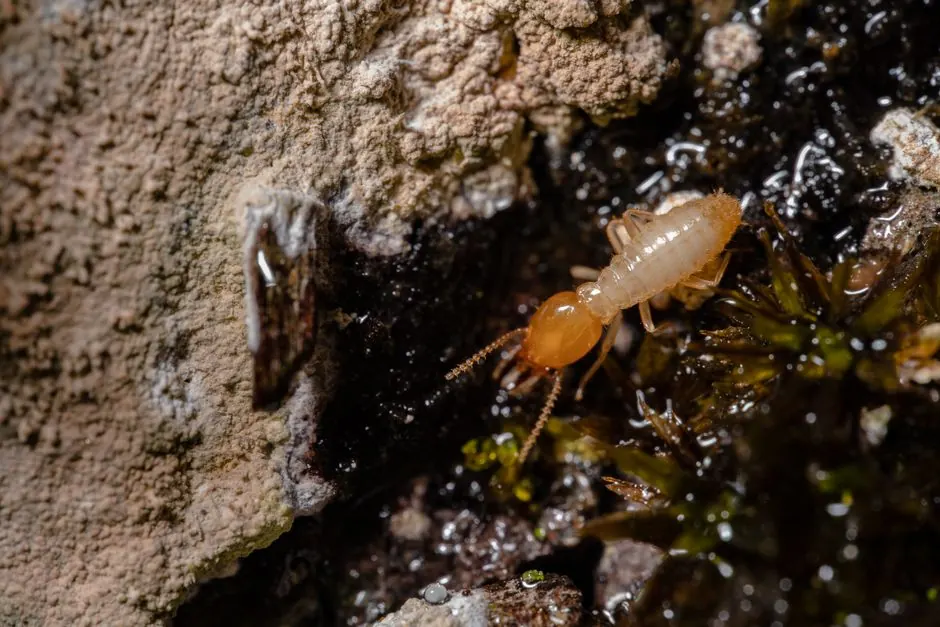
Ohio's termite risk is rated moderate to heavy, which means homeowners in the state face a significant threat of termite infestations that can lead to extensive structural damage. Understanding this risk is crucial for effective prevention and treatment strategies.
Termites are wood-destroying insects that primarily feed on cellulose, found in wood and other plant materials. Their presence can compromise the integrity of your home, making it essential to stay informed about their activity.
What Does Moderate to Heavy Termite Risk Mean?
In Ohio, a moderate to heavy termite risk rating indicates a higher likelihood of termite activity in both urban and rural areas. Factors contributing to this risk include the state's humid climate, which is conducive to termite survival and reproduction. Homeowners should be aware that this risk is not uniform across the state; some regions, particularly those with older wooden structures, may be more susceptible.
Why Are Termites a Concern in Ohio?
Termites pose a significant threat to homes in Ohio due to their ability to cause extensive damage before detection. Cost depends on the size of the property, how far the infestation has spread and the treatment the job needs, so it is quoted after an inspection rather than off a list. In Ohio, the risk is compounded by the presence of species like the Eastern Subterranean termite, which is prevalent in the region.
Homes built before the 1990s are particularly vulnerable. Many of these structures utilize wood that may not have been treated against termites. Additionally, Ohio's wet spring and summer months create ideal conditions for termite activity, making regular inspections crucial.
Signs of Termite Infestation
Identifying termite infestations early can save homeowners significant repair costs. Common signs of termite activity include:
- Wood Damage: Hollow-sounding wood or visible tunnels in wood structures.
- Frass: Small piles of wood-colored pellets, which are termite droppings.
- Swarmers: Winged termites emerging from the ground or wood during warm months.
- Mud Tubes: Small tunnels made of soil and wood that termites use to travel.
If you notice any of these signs, it's essential to act quickly. Contact a professional termite inspection in Ohio to assess the situation.
How to Prevent Termite Damage
Preventing termite damage involves several proactive measures:
- Regular Inspections: Schedule annual inspections with a qualified pest control service to catch infestations early.
- Moisture Control: Fix leaks and ensure proper drainage to reduce moisture levels around your home.
- Wood Treatment: Use treated wood for construction and repairs to deter termites.
- Foundation Maintenance: Keep soil and mulch away from your home's foundation to prevent termite access.
By implementing these strategies, homeowners can significantly reduce their risk of termite infestations.
When to Call a Professional
If you suspect a termite infestation or notice signs of termite activity, it's crucial to contact a professional. WoodGuard Pest offers expert termite treatment in Ohio to effectively eliminate termites and prevent future infestations. Professional treatments are often more effective than DIY methods, ensuring comprehensive protection.
Frequently Asked Questions
What does termite treatment in Ohio cost?Cost depends on the size of the property, how far the infestation has spread and the treatment the job needs, so it is quoted after an inspection rather than off a list.
Can I treat termites myself? While DIY treatments are available, they often lack the effectiveness of professional services, especially for extensive infestations.
How often should I have my home inspected for termites? It's recommended to have your home inspected at least once a year to catch any potential infestations early.
What are the long-term effects of a termite infestation? Long-term effects can include significant structural damage, leading to costly repairs and decreased property value.
Are there specific areas in Ohio more prone to termites? Yes, older homes in urban areas and regions with high humidity are particularly susceptible to termite infestations.